Feb 29, 2024
How to choose the right tree species for your forest?
Reforestation is a critical step towards natural balance and sustainable forest management, but there is often confusing information about forest regeneration. Since 2018, Eesti Metsameister has been dedicated to sustainable forestry and helps landowners make informed decisions when regenerating their forests.
Why the choice of tree species matters
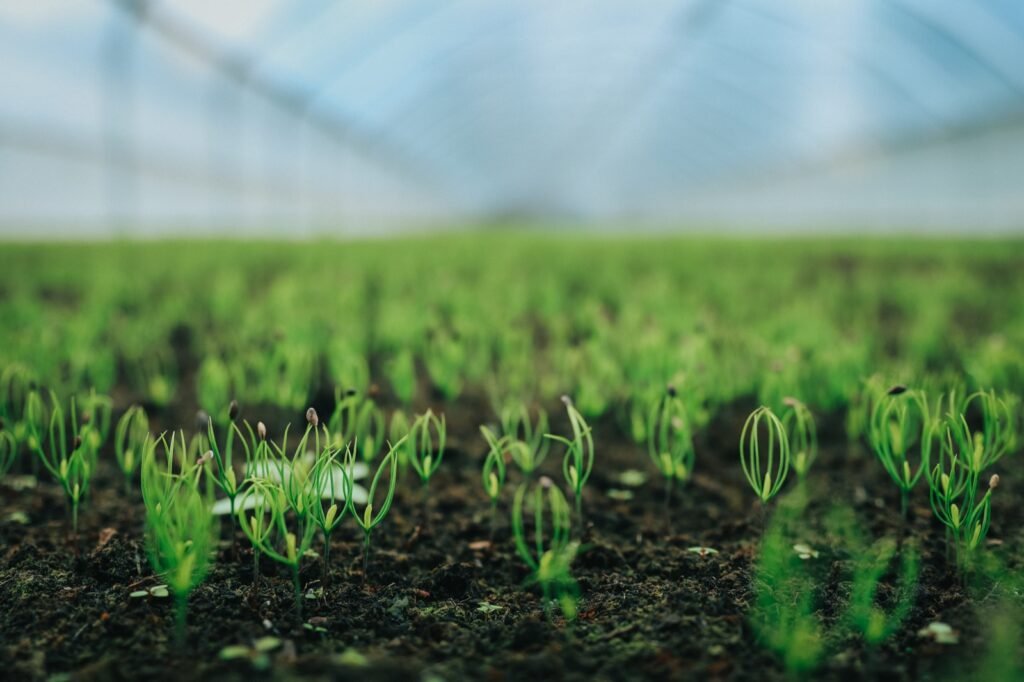
Choosing the right tree species is crucial to the success of reforestation. It affects the ecological balance, soil health and adaptation to climate change. That is why it is important to choose species that suit the characteristics of your land and support the local ecosystem.
What should you keep in mind?
Before choosing tree species, you need to assess the soil type, the climate and the existing ecosystem. A good approach is to start from the main tree species that grew there before – but please note that if drainage work was carried out on the property in the Soviet collective farm era and the ditches created at the time have since become overgrown, the growing conditions of the soil may have changed. A forest owner’s best helper is a forest management plan, which gives a comprehensive overview of the entire forest and makes recommendations for managing it. It is important to have the most up-to-date inventory data possible for your forest.
Common tree species for planting a new forest
Several tree species suitable for reforestation are common in Estonia, such as pine, spruce and birch. Planting black alder has also become more widespread. Each species has its preferred growing environment and advantages. For example, pine needs plenty of sunlight to establish, whereas spruce is at risk of sunburn in the same environment. Black alder, on the other hand, is suitable for cultivation on various abandoned, periodically waterlogged areas, where other tree species usually cannot compete with it in growth rate.
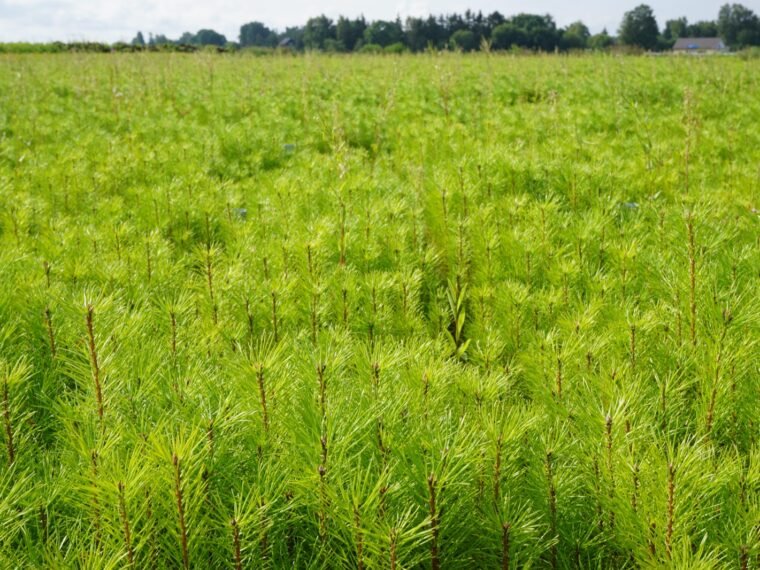
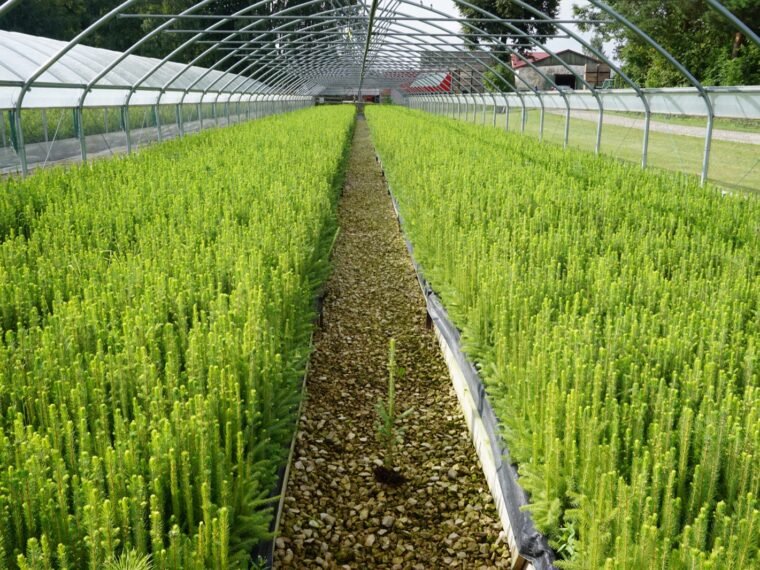
“Eesti Metsameistri Taimekasvatus grows both potted and bare-root forest plants. The range includes spruce, pine, birch and black alder.”
What to do about pests and diseases?
Just as the growing requirements of each tree species must be taken into account, it is important to consider their resistance to the pests and diseases present on the property. For example, in the case of root rot, pine or birch is recommended for the new generation, and black alder is also suitable. Depending on the pest, the development of the young forest can also be supported with control measures after planting.
Why is it not common to plant exotic species in forests?
Planting non-native tree species in forests is not very common in Estonia, and the choice is also rather limited. By regulation of the Minister of the Environment, only a very limited selection of tree species (13) may be used for forest regeneration in Estonia. Native tree species such as pine, spruce and birch are not used mainly because of their availability – this approach to reforestation helps preserve local biodiversity and the ecological composition. Non-native trees can start to spread aggressively and suppress local species. They may also bring diseases, fungi and insects that are unknown here and whose spread in nature could have unpredictable consequences.
List of non-native tree species permitted as forest trees in Estonia
In conclusion, long-term forest management is what matters
When reforesting, it is also important to think about long-term management, which includes species diversity, forest structure and support for wildlife. That is why choosing the right tree species for reforestation is so important.
Eesti Metsameister’s subsidiaries Eesti Taimekasvatus and Eesti Metsahaldus help private forest owners with all questions related to forest regeneration.